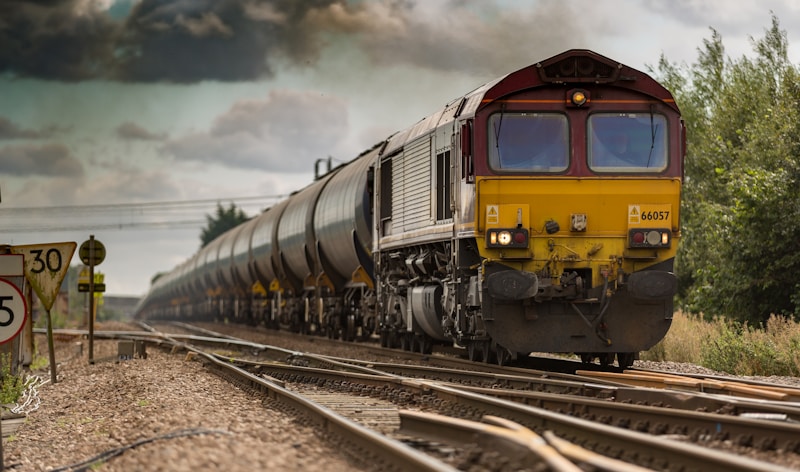
Sustainable travel choices are reshaping European tourism as more visitors opt for train journeys over flights for trips under 500km, citing environmental concerns.
A seismic shift is underway in European travel patterns as rail bookings surge 40% year-over-year, with environmental consciousness driving millions of travelers to abandon short-haul flights in favor of train journeys. The trend, dubbed 'flight shame' or 'flygskam' in Swedish, has evolved from a niche movement to a mainstream travel preference.
The Numbers Tell the Story
Eurostar reported its busiest year ever, carrying over 20 million passengers between London, Paris, Brussels, and Amsterdam. The newly expanded services to Germany have exceeded all expectations, with the London-Cologne route operating at 95% capacity. Meanwhile, short-haul flight bookings on routes under 500km have declined 25% across major European carriers.
Investment in Rail Infrastructure
European governments are responding with unprecedented investment in rail infrastructure. The EU's 'Green Rail Initiative' has allocated €50 billion for high-speed rail expansion, with new routes planned connecting Madrid to Lisbon, Berlin to Copenhagen, and extending the TGV network into Eastern Europe.
Night Trains Make a Comeback
Perhaps the most romantic development is the renaissance of night trains. ÖBB Nightjet has doubled its network, offering sleeper services connecting major cities across 13 countries. New operators like European Sleeper and Midnight Trains are launching luxury overnight services, targeting travelers willing to pay premium prices for sustainable travel.
The Business Travel Shift
Corporate travel policies are accelerating the trend. Major companies including Google, Salesforce, and Deutsche Bank have implemented 'rail first' policies for journeys under four hours. Business class train cabins now rival airline offerings, with wifi, power outlets, and dining services standard on most routes.
Price Competitiveness
Train travel has become increasingly price-competitive. When factoring in airport transit time, security queues, and baggage fees, rail often proves both faster and cheaper for medium-distance journeys. The introduction of dynamic pricing by rail operators has created more opportunities for budget-conscious travelers to find deals.
Environmental Impact
The environmental benefits are substantial. A train journey from London to Paris produces approximately 6kg of CO2, compared to 122kg for the equivalent flight. With millions of passengers making the switch, the cumulative carbon savings are significant, contributing to Europe's climate goals.
Challenges Remain
Despite the positive trends, challenges persist. Cross-border ticketing remains complicated, with passengers often needing to book separate tickets for international journeys. Track capacity constraints in countries like Germany and the UK have led to reliability issues. However, industry observers note that these are growing pains rather than fundamental obstacles.
The Future of European Travel
Analysts predict rail's market share for journeys under 1,000km will reach 50% by 2030, up from 35% today. As high-speed networks expand and consumer preferences continue to shift, the train is reclaiming its position as the preferred mode of continental travel.